
- October 1, 2026
- By admin BM
- In Blog, Tips
- Tags auto body shop vs dealership, collision repair, collision repair insurance claim process, comprehensive collision repair services 2026, oem vs aftermarket parts
- 100
- 0
Last Updated: September 28, 2026
Comprehensive collision repair services 2026 restores a damaged vehicle to pre-accident condition through structural repair, refinishing, parts replacement, and safety system calibration. At Victory Auto & Body Shop, four decades in the same location have shown the definition of “comprehensive” keeps expanding, a repair that passed inspection a decade ago can leave today’s driver with an uncalibrated sensor and a voided warranty.
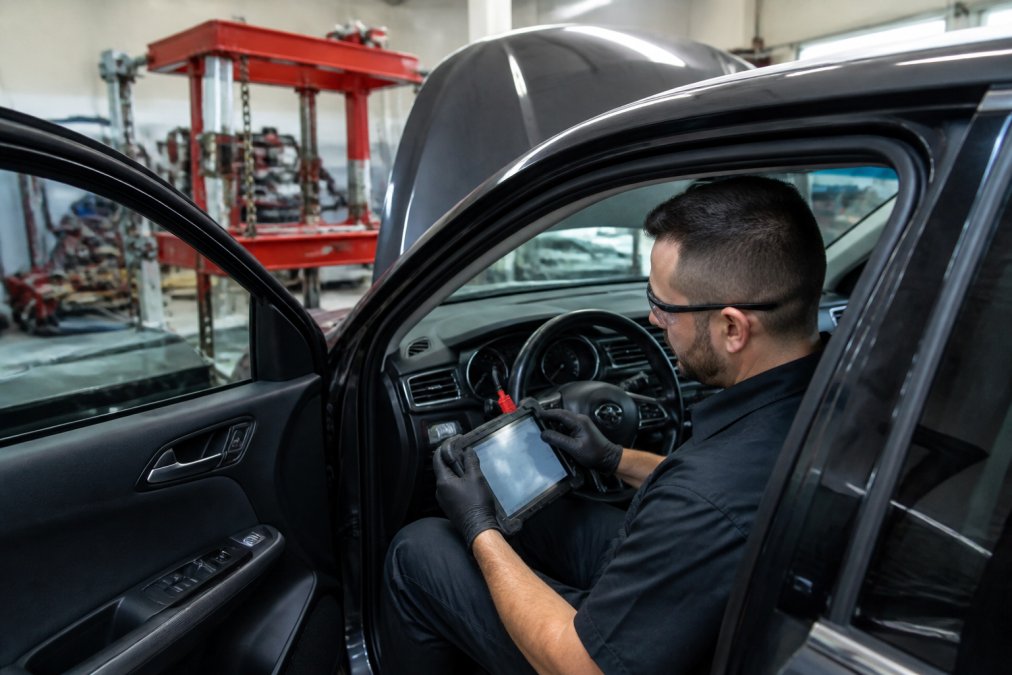
Modern comprehensive collision repair services 2026 combine structural repair and frame alignment, panel replacement, paint matching, diagnostics and sensor recalibration, and post-repair safety verification. The last two separate a modern facility from an old one: collision repair is now a diagnostic discipline, not just mechanical work.
The auto body shop vs dealership decision comes down to calibration capability, parts access, and insurance claim handling. Dealerships have brand-specific tooling and direct OEM parts access; independent shops often move faster and work with multiple insurers, and many now invest in the same calibration equipment. Victory Auto & Body Shop works on domestic and foreign vehicles and handles the insurance claim process directly.
| Factor | Dealership Body Shop | Independent Body Shop |
|---|---|---|
| OEM parts access | Direct | Varies by shop |
| Calibration equipment | Brand-specific | Increasingly common |
| Insurance claim handling | Often routed through dealer | Frequently handled in-house |
Neither option wins outright. A newer vehicle still under warranty may benefit from dealership documentation. A daily driver with a moderate collision often gets back on the road faster through an independent shop that manages the claim itself.
The OEM vs aftermarket parts choice affects fit, safety, and resale value. OEM parts meet the vehicle’s original specifications; aftermarket parts vary widely in quality; recycled parts can be legitimate for older cars. Insurers often push the cheapest option, but many policies let you request OEM parts, though the difference may come out of your pocket.
For a lease return or a vehicle you plan to sell, OEM parts usually pay for themselves at trade-in; for a high-mileage commuter, a quality aftermarket panel may be the sensible call.
The collision repair insurance claim process starts with incident documentation, continues through an adjuster’s estimate, and ends with repair authorization and payment. Collision coverage applies when your vehicle hits another object or vehicle; comprehensive coverage handles theft, weather, or animal strikes; your deductible applies to both. In most cases you can choose your own repair shop, and Victory Auto & Body Shop works directly with insurers to keep the process simple.
Repair complexity has climbed because vehicles now contain dozens of sensors, cameras, and radar units that must work together. A bumper replacement that once took an afternoon now includes recalibrating the sensors behind it, and ADAS calibration is not optional, an uncalibrated system can misjudge distance or fail to warn the driver. A shop with in-house calibration avoids third-party back-and-forth.
A total loss happens when repair costs exceed a percentage of the vehicle’s value, and rising parts costs, longer cycle times, and expensive electronics push more vehicles into that territory even after a moderate collision. Getting an estimate early, before an insurer makes a determination, gives you real information, at Victory Auto & Body Shop, the team walks owners through what a repair actually involves.
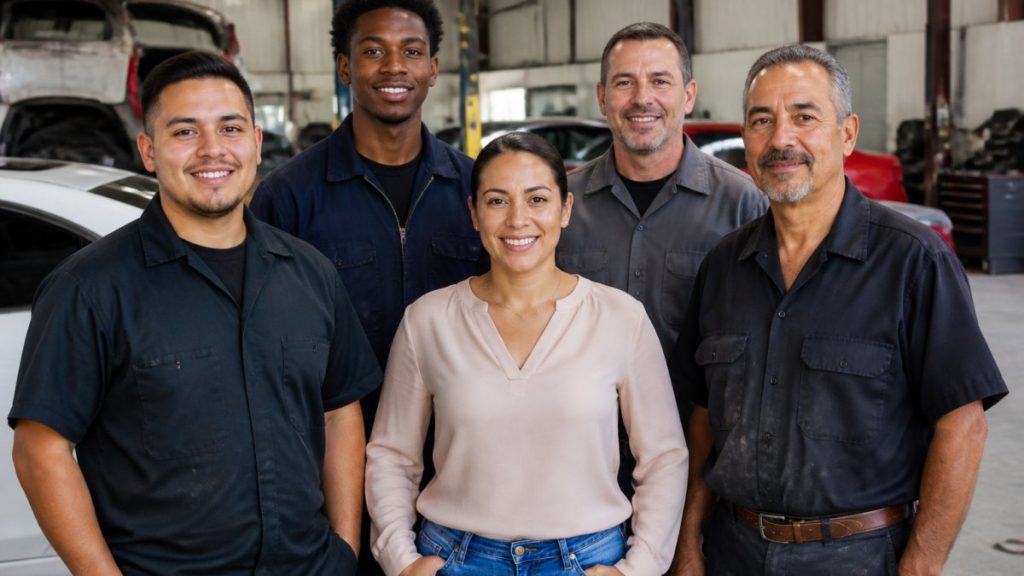
Certified technicians are trained on the specific systems in your vehicle, and that training is what makes a repair hold up, technology changes every model year, and a technician who hasn’t kept up will miss calibration steps. Victory Auto & Body Shop combines 40 years of experience with an advanced paint system for identical color matching, handling everything from minor scratch repair to comprehensive frame straightening on domestic and foreign vehicles.
Comprehensive collision repair covers structural repair, frame alignment, panel replacement, paint matching and refinishing, and ADAS calibration. It also includes diagnostics, parts sourcing (OEM or aftermarket), and post-repair safety verification. The goal is restoring your vehicle to pre-accident condition and factory specifications.
An insurer declares a total loss when repair costs exceed a percentage of your vehicle’s actual cash value, often 70-80%. Rising parts costs and repair complexity have made total losses more common. Your claims adjuster will provide a valuation and settlement offer based on your policy terms.
Dealership-quality results depend on technician certification, equipment, and parts used, not the business type. Many independent shops meet or exceed dealership standards with OEM parts and ADAS calibration tools.


