
- November 3, 2026
- By admin-dr
- In Blog
- Tags aftermarket parts, can i request oem parts after an accident, does insurance cover aftermarket parts, insurance repair estimate aftermarket parts
- 63
- 0
Last Updated: October 21, 2026
Whether insurance covers aftermarket parts depends on your policy language and the claim type. Most standard auto policies pay to restore your vehicle, and insurers may choose among new OEM parts, used or recycled parts, or aftermarket parts of like kind and quality. At Victory Auto & Body Shop, coverage usually exists but the part type is often negotiable, not guaranteed.
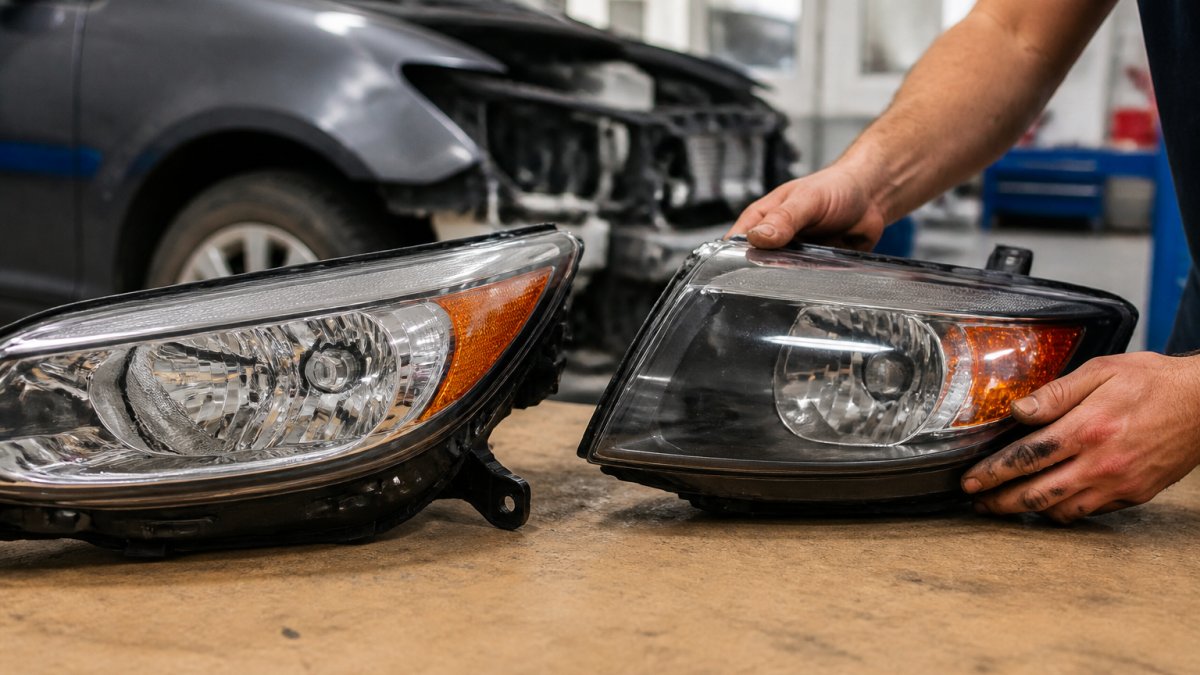
Aftermarket parts are components made by a company other than your vehicle’s original equipment manufacturer. They are not automatically excluded, nor automatically approved at the price you want.
Three things decide the outcome: your policy language on replacement parts and parts endorsements, your state’s rules on used and non-OEM parts, and the claim itself, including vehicle age, mileage, and pre-loss condition. A common mistake is assuming “full coverage” means “all new factory parts.”
Yes, you can request OEM parts after an accident, but whether your insurer must pay for them is a different question. Many policies allow non-OEM replacement parts, and some states require insurers to disclose that in the estimate.
Request OEM parts in writing to the adjuster before repair authorization, stating why (lease terms, warranty, safety systems), and get the answer in writing before work begins. If refused, ask the price difference and who pays it, the gap is often small enough to pay out of pocket. If your vehicle is leased, check the lease agreement first, since many require factory parts at return.
Usually not at full value. If you added custom parts, a lift kit, a sound system, or custom wheels, your standard policy may cap or exclude coverage for that equipment.
The fix is optional coverage: a customized equipment endorsement, sometimes called custom parts coverage, extends protection to modifications you added. Without it, you are typically limited to the value of the original factory equipment. Damage to the aftermarket part itself is covered only up to your policy’s custom equipment limits, if at all; damage the part causes to the vehicle falls under the main collision or comprehensive coverage, subject to your deductible.
Insurers generally choose parts by availability, cost, and the vehicle’s pre-loss condition. An older, higher-mileage vehicle is more likely to receive recycled or like-kind-and-quality parts, because that matches its condition before the accident.
Ask your adjuster one direct question: “What part type is on this estimate, and why?” The answer tells you whether to accept, negotiate, or pay the difference for OEM.
At Victory Auto & Body Shop, we have served South Florida drivers for 40 years, and we write estimates that spell out part types line by line. If you want a repair estimate you can read before you authorize anything, book an appointment with us.
State Farm and most insurers are not required to pay for OEM parts unless your policy includes an OEM endorsement or state law mandates it. Standard policies typically cover like-kind-and-quality replacement parts, which may be aftermarket or recycled. If you want OEM parts, request them in writing and be prepared to pay the difference. Some insurers will negotiate, especially for newer vehicles or safety-critical components.
Aftermarket parts do not automatically void your entire vehicle warranty. Under the Magnuson-Moss Warranty Act, a manufacturer cannot void your warranty solely because you used aftermarket parts unless the part caused the failure. However, if an aftermarket part is defective and damages a covered component, the manufacturer may deny that specific repair. Keep receipts and choose quality parts to minimize risk.
Yes, you can ask your insurer to use OEM parts after an accident. The insurer may agree, refuse, or offer a compromise. Put your request in writing and cite your policy language if it includes an OEM endorsement. If the insurer insists on aftermarket parts, you can pay the difference for OEM. Some states give policyholders the right to request OEM parts, so check your state’s regulations.


