
- October 21, 2026
- By admin-dr
- In Blog
- Tags collision repair estimate explained, collision repair timeline, itemized auto body repair bill, supplemental collision repair estimate, transparent repair billing
- 19
- 0

Last Updated: October 13, 2026
A fast repair prioritizes speed and lower upfront cost; restoration to original vehicle specifications rebuilds to factory tolerances, and transparent repair billing makes the difference visible. The difference shows up in your estimate, insurance claim, and resale value.
Victory Auto & Body Shop has handled both for four decades in South Florida: one gets you back on the road quickly, the other restores factory condition and protects resale value and safety.
Fast repairs often use aftermarket parts, blended paint, and cosmetic dent removal; specification-compliant restorations use OEM parts, documented measurements, and factory-finish refinishing. Both are legitimate but not interchangeable.
| Factor | Fast and simple repair | Restoration to original specs |
|---|---|---|
| Parts | Aftermarket or used | OEM or approved equivalents |
| Paint | Blended to match | Factory finish match |
| Measurements | Visual check | Documented to factory tolerances |
| Timeline | Shorter | Longer |
| Billing | Lump-sum or minimal detail | Itemized and transparent |
| Resale impact | Can reduce value | Preserves value |
Speed and specification compliance are a trade-off; ask which one your estimate pays for.
A collision repair estimate explained properly is a line-by-line document, and an itemized auto body repair bill is what makes transparent repair billing possible: labor, parts, materials, and refinishing listed separately let you verify every charge.
A transparent bill separates labor by operation, parts by type (OEM, aftermarket, or recycled) and part number, materials like paint and primer, and refinishing charges.
Get the estimate in writing before work starts, then compare the final invoice against it; if a line moved, the shop should explain why.
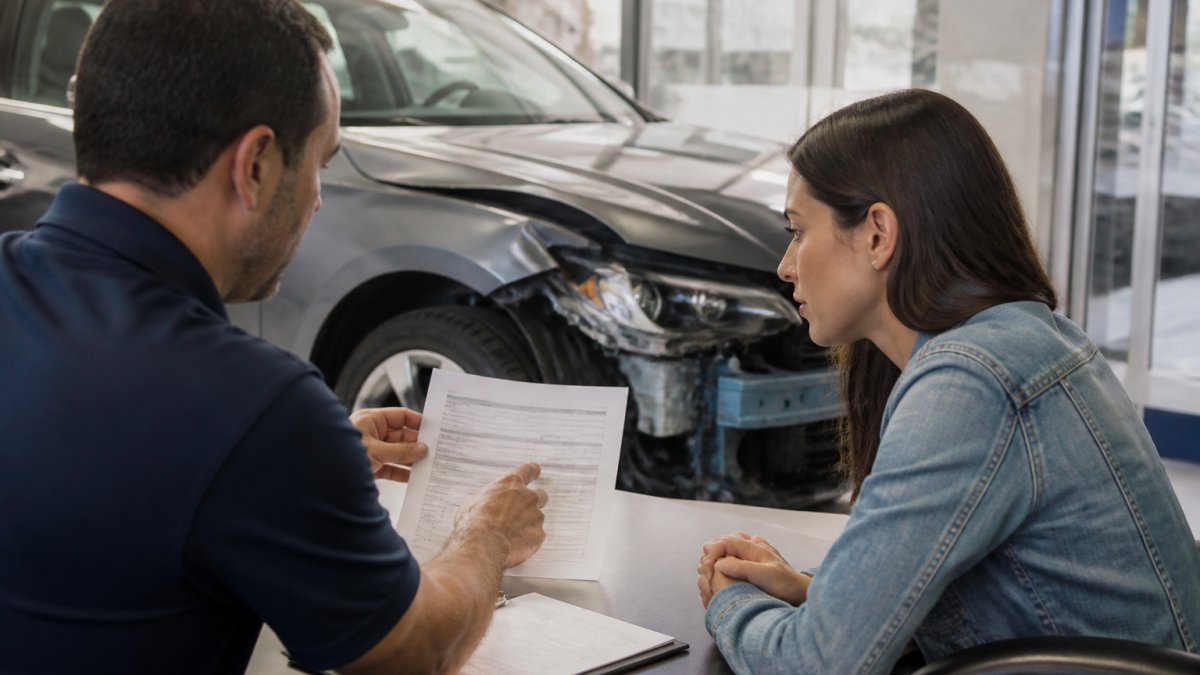
A supplemental collision repair estimate is filed when hidden damage appears after disassembly, extending the collision repair timeline: the initial estimate covers what is visible, the supplement what the technician finds once panels come off.
Hidden damage is the norm: a bumper impact often hides damage to the reinforcement bar, mounting brackets, or frame rails, and the insurer reviews a supplement before work continues.
A realistic collision repair timeline has two phases: teardown and assessment, when the shop documents visible and hidden damage, then repair and refinishing, when parts arrive and paint is completed.
Parts availability drives much of the delay: OEM parts for a foreign vehicle can take longer to source than aftermarket equivalents, a real reason some owners choose the faster route.
A specification-compliant repair includes measurement and verification steps a cosmetic repair skips; that extra time is the cost of factory condition.
Speed and specification compliance pull in opposite directions, and the estimate in your hand tells you which one you are buying. Victory Auto & Body Shop has spent 40 years restoring domestic and foreign vehicles to original factory specifications, with an advanced paint system for identical color matching and high-quality parts that protect your safety and resale value. Book now and get a fast, simple process with a transparent bill.
A quick collision repair addresses visible damage fast, often with aftermarket parts and minimal disassembly. A full restoration follows manufacturer repair procedures, uses original equipment or approved parts, and measures the vehicle structure against factory specifications. The first gets you back on the road sooner; the second protects resale value and safety. Ask which approach the shop recommends and why before you approve any work.
Hidden damage found during disassembly is the main reason. A supplemental collision repair estimate documents what the adjuster did not see at first, such as bent reinforcement bars or damaged wiring. Reputable shops photograph each discovery and submit it for approval before doing the extra work. If your bill changes without a supplement, ask for an itemized explanation of every added part and labor hour.
Request the final inspection report, measurement readings, and paint match documentation. A proper repair includes verification that the vehicle structure meets original specifications and that safety systems work. Ask for the itemized auto body repair bill showing parts, labor, and materials. If the shop cannot explain how it verified the repair against factory standards, that is a warning sign worth taking seriously.


