
- November 24, 2026
- By admin BM
- In Blog, collision repair, Tips
- Tags auto body repair claims, common mistakes when filing auto body repair claims, how to dispute an auto insurance claim estimate, what to say to an insurance claims adjuster
- 30
- 0

Last Updated: November 6, 2026
Quick Summary
The most common mistakes in auto body repair claims are reporting the accident late, skipping photos before repairs, missing the other driver’s details, giving incomplete facts, and accepting the first estimate without review. Each one can delay payment or weaken your coverage.
Filing auto body repair claims is simple on paper, but small errors can slow payment or reduce coverage. Over the years of helping South Florida drivers, the same few mistakes come up repeatedly.
The most common is waiting too long to report the accident. Delays give the insurer reason to question the damage, so report the loss as soon as it is safe.
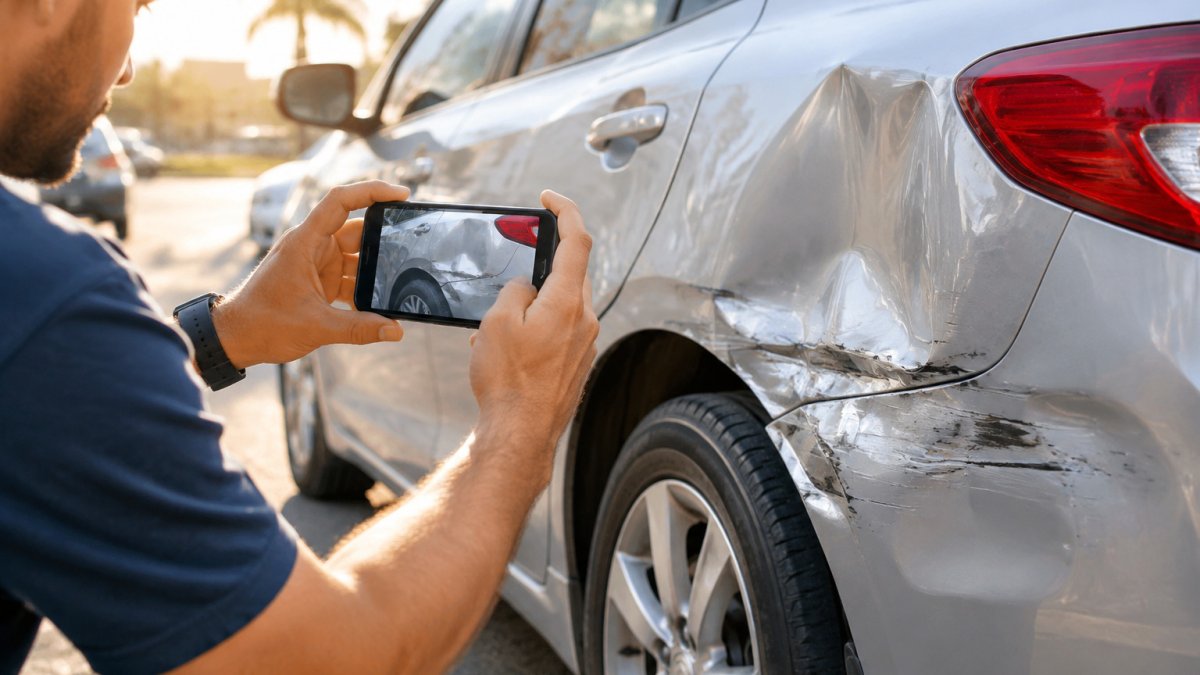
Review how the claim is documented before you submit it. Clear, timely records make it easier to get a fair result. For a closer look at what your policy may pay for, read Insurance Information Institute guidance on auto claims.
The mistakes below are the ones that most often slow payment or reduce coverage.
| Mistake | Why it hurts | Fix |
|---|---|---|
| Waiting too long to report | Gives the insurer reason to question damage | Report as soon as it is safe |
| Skipping photos before repairs | No record of the damage | Photograph damage before repairs start |
| Missing other driver’s details | Weakens the account of the accident | Collect their information and any witness details |
| Incomplete facts about the accident | Creates gaps the insurer can question | Give complete, accurate facts |
| Accepting the first estimate | May leave out damage | Review the estimate before accepting it |
With an adjuster, stick to the facts: what happened, where, when, and the damage you see. Avoid guessing about fault or repair costs.
Keep notes of every call, including date, adjuster’s name, and what was agreed. If unsure about a question, say so and follow up in writing.
If the insurer’s estimate looks too low, compare it line by line with a professional inspection and ask the adjuster to explain differences in your auto body repair claims. A body shop estimate review service can check the insurer’s figures for accuracy. Learn seven ways to dispute a denied auto insurance claim if the amount offered falls short. Hidden damage often appears once a vehicle is taken apart, so request a supplement if new damage is found.
After repairs, inspect the vehicle carefully: paint color match, panel gaps, and whether sensors or safety systems were recalibrated. Read why OEM paint matching matters after a collision repair to know what an accurate match looks like. If something is wrong, document it with photos and raise it with the shop first.
Filing a claim is easier when you know what to watch for. If you have questions about your repair or want a second opinion on an estimate, contact Victory Auto & Body Shop today. Our team will explain your options clearly and help you get your car back to its original condition.
Avoid guessing about fault, speculating about injuries, or describing the damage as minor before a full inspection. Stick to facts you can document: where and when the accident happened, what you observed, and what photos and reports exist. If you are unsure about a detail, say so and promise to follow up with the correct information. Keep a written record of every call, including the adjuster’s name, the date, and what was discussed.
The answer depends on your policy and your state, so check the settlement terms and any deadlines written into your policy. Many policies expect repairs to begin within a reasonable period after payment, and insurers may ask for updates on repair progress. If you delay, you can lose rental coverage or face questions about the claim. Ask your insurer in writing what deadline applies to your claim.
Inspect the vehicle in good light before signing the final invoice. Check paint color match and panel alignment, confirm that gaps around doors and hoods are even, and test lights, windows, and sensors. Ask whether post-repair calibration was performed on driver-assistance systems. Compare the finished work against the approved estimate and any supplements, and note problems in writing before you pay the balance.


