
- November 21, 2026
- By admin-dr
- In Blog, Paint
- Tags automotive paint matching tools, car paint color matching process, factory color matching, factory color matching for cars, how to find a car paint code, how to match faded car paint
- 25
- 0
Last Updated: October 23, 2026
Quick Summary
Factory color matching for cars means using the paint code to select the exact color your vehicle shipped with, not a color that looks close. The process involves locating the code, mixing the formula, and verifying the match with a test panel under natural light before application.
Your paint code is the key to factory color matching, it tells you exactly which color your car left the factory with.
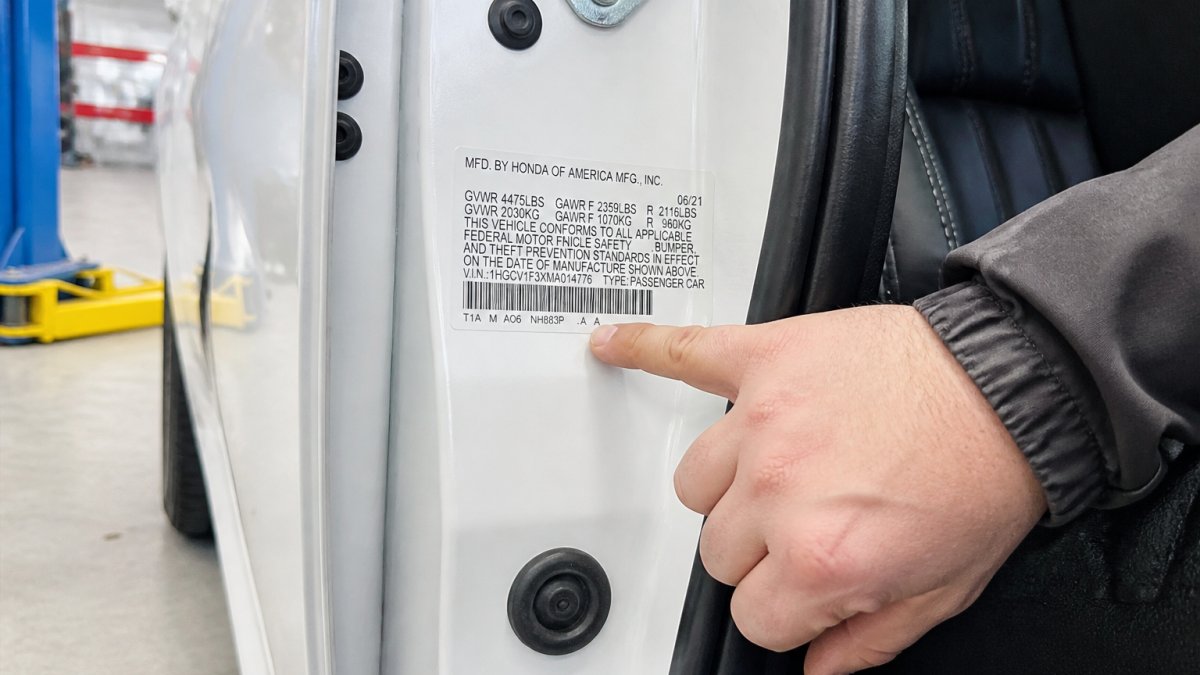
Most manufacturers place the code in one of three spots, most commonly the driver’s side door jamb, look for a white or silver label where the door latches.
Write down the entire code exactly as it appears, one character off changes the match. AUTO PAINT & REFINISHING services handle the color matching process for you. Photograph the label as backup.
Factory color matching for cars means using the paint code to select the exact color your vehicle shipped with, not a color that looks close.
A paint supplier or body shop inputs the code, which pulls up the exact formula: base color, metallic or pearl additives, and clear coat specs. Why Professional Color Matching Is Harder Than It Looks explains the technical expertise required for this precision work.
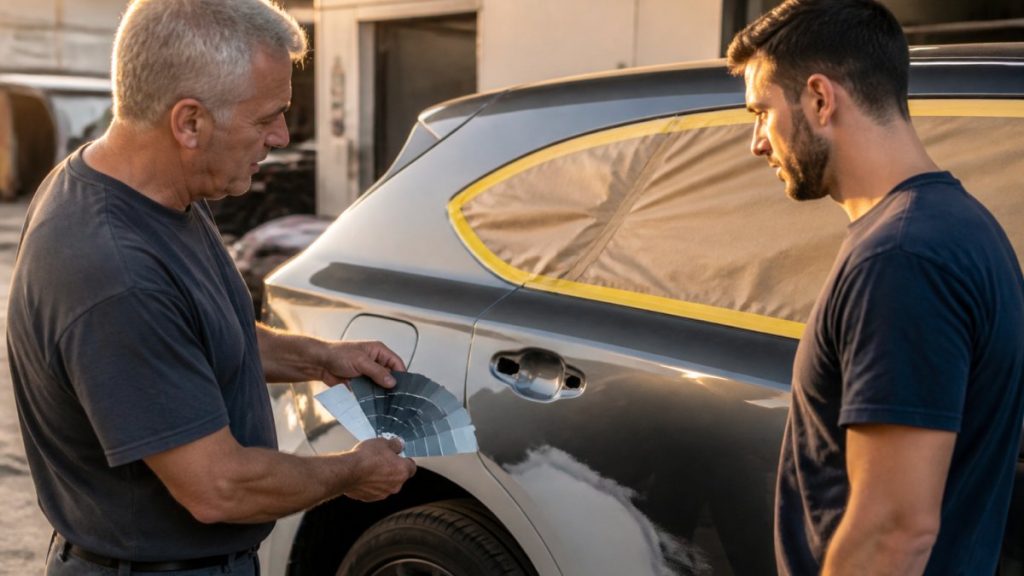
Next, the shop sprays a test panel and compares it to your vehicle under natural light, paint can look different indoors versus outdoors.
Formulas can shift over time, so the test panel confirms the match before application.
OEM paint matching standards and best practices confirm that this verification step prevents costly mismatches. Once the match is confirmed, the shop applies the paint using proper spray technique, surface preparation, and clear coat application.
Factory color matching follows a structured process to ensure the paint applied matches your vehicle’s original factory color.
| Step | What to Do | Purpose |
|---|---|---|
| Locate the code | Find label on driver’s side door jamb or contact dealership | Identify exact factory color formula |
| Input code and mix | Paint supplier inputs code to pull up formula with additives | Generate precise base color and clear coat specs |
| Spray test panel | Shop sprays test panel and compares under natural light | Verify match before full application |
| Apply paint | Use proper spray technique, surface prep, and clear coat | Complete the factory color match |
Faded paint complicates factory color matching. Sun, salt air, and time break down the clear coat, so your paint may look different from its original factory color despite sharing the same code.
DIY attempts fail here: matching the faded panel makes new paint look too bright. The factory color matching process uses the original code, not the faded appearance.
Professional shops handle fading through panel blending: the repair area gets the fresh factory color, and adjacent panels receive a lighter spray so the transition shifts gradually instead of leaving a harsh line.
Weather and age affect metallic and pearl finishes differently than solid colors. Metallics fade faster because the metallic particles oxidize. Pearls can shift in tone. Automotive paint durability research shows that clear coat degradation is the primary cause. A new clear coat applied over faded base color restores the original appearance better than repainting the entire panel.
Match the factory code, not the faded appearance, then blend adjacent panels for a smooth transition.
Factory color matching for cars restores your vehicle to its original appearance. The process starts with locating your paint code, mixing the exact formula, and verifying the match before application. Faded finishes require professional blending to avoid visible repair lines. Professional auto body repair standards recommend this approach for collision repair work. When you need precision color matching, professional shops have the tools and experience to get it right. We at Victory Auto & Body Shop use an advanced paint system for identical color matching on both domestic and foreign vehicles.
Your vehicle’s factory paint code is printed on a label, typically located on the driver-side door jamb, under the hood near the strut tower, or inside the trunk. The code is a combination of letters and numbers specific to your make, model, and year. Once you locate it, you can use it to order OEM paint or have a professional match it exactly. If you cannot find the label, your vehicle’s documentation or dealership can provide the code.
A factory paint code provides the correct formula, but an exact visual match depends on several factors. Paint fading, weathering, and sun exposure over time can make older panels look different from fresh paint. Additionally, metallic and pearl finishes may appear slightly different depending on lighting and viewing angle. Professional shops use spray-out cards and test panels to verify the match before full application, ensuring the best possible result.
When factory paint has faded, technicians use spectrophotometer tools and color reference samples to assess the current condition. They may blend the new paint into adjacent panels rather than applying it only to the repair area, creating a seamless transition. This panel blending technique accounts for color variation and ensures the repair area doesn’t stand out against weathered original paint. Professional matching technology helps achieve the closest possible match to your vehicle’s current appearance.


