
- November 16, 2026
- By admin BM
- In Blog, collision repair, Tips
- Tags auto body shop vs dealership, collision repair estimate red flags, collision repair shop, how to choose collision repair shop, how to read a collision repair estimate
- 77
- 0
Last Updated: November 2, 2026
Quick Summary
To choose a collision repair shop, verify its technician certifications and manufacturer training, get the repair warranty in writing, and confirm whether the estimate uses OEM or aftermarket parts. Compare at least two written estimates before authorizing any repairs.
Choosing a collision repair shop starts with verifying certifications and training, asking about the repair warranty, and confirming whether the shop uses OEM or aftermarket parts. Our guide to what matters when choosing a collision repair center walks through each of these checks. The industry includes roughly 105,000 U.S. businesses, according to IBISWorld industry analysis of auto body shops, so quality varies widely.
Calibrations now appear on more than a third of collision repair estimates, according to Auto Body News 2026 collision repair trends, making certification more important than ever.
Watch out: Don’t assume a shop is certified because its sign says so. Ask for specific credentials and check them.
The steps below summarise what to check before choosing a shop.
| Step | What to do | Key note |
|---|---|---|
| Check credentials | Ask which technician certifications and manufacturer training the shop holds | Don’t assume certification from a sign |
| Review warranty | Request the repair warranty in writing | Include coverage and duration |
| Confirm parts | Ask whether the estimate uses OEM, aftermarket or both | Ask the cost of each |
| Verify capability | Confirm the shop can handle your make and model | Includes frame straightening and diagnostics |
An auto body shop and a dealership both repair collision damage but differ in cost structure, parts sourcing and insurer relations.
You are not obligated to use the repair facility your insurer recommends; the choice of repairer generally rests with you. Learn why you don’t have to use your insurance company’s recommendation. Read about alternatives to insurance-preferred repair shops to see your options beyond the insurer’s list. Compare at least two written estimates before deciding. Victory Auto & Body Shop has 40 years of experience in South Florida and handles both domestic and foreign vehicles.
A written estimate should list every part, labor operation and charge, with the parts type stated for each line. Red flags include vague line items, no stated parts type, pressure to decide immediately, and no written warranty.
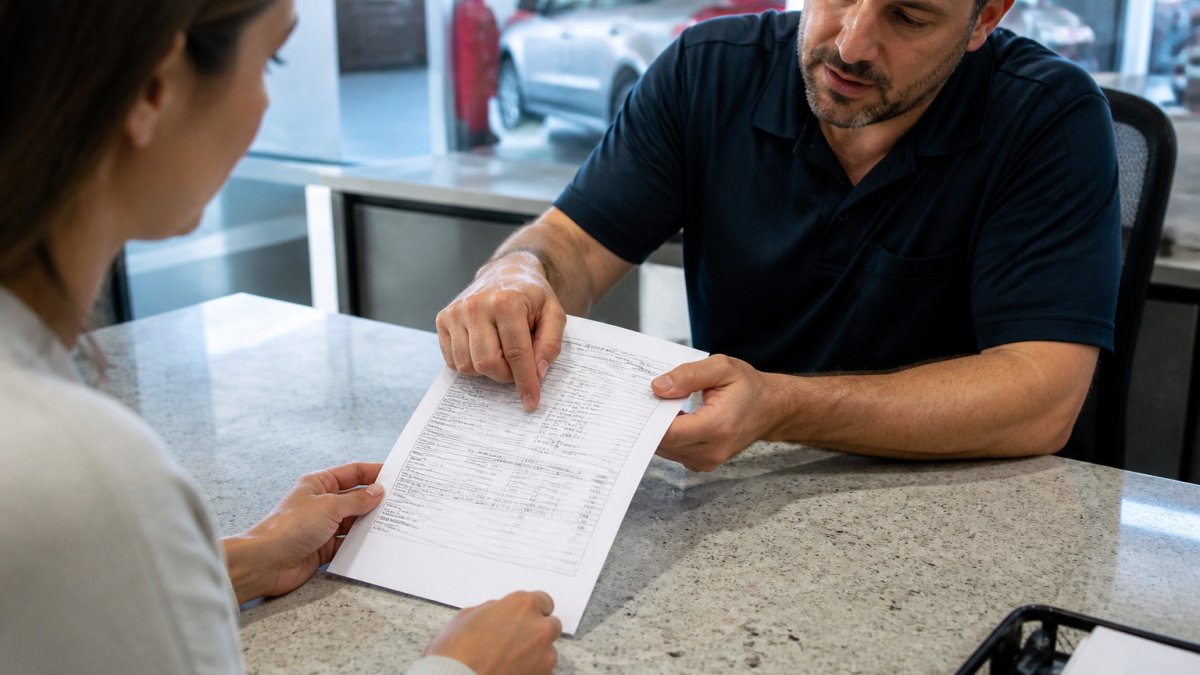
Ask the shop to explain any supplemental estimate before work continues, since hidden damage found after teardown is common. Confirm turnaround time and any rental coverage in writing. If you own a classic car, you can also review body shop repairs for vintage cars and ask whether the shop offers a free quote.
In most cases, yes. Your insurer may recommend a facility, but recommended shops are a convenience, not a requirement. Compare at least two or three written estimates, check certifications and warranty terms, and confirm the shop will work with your insurer on any supplemental repairs. Ask your adjuster to note your choice in the claim file so the process stays clear.
Ask the shop which industry certifications it holds and ask for documentation you can verify. Technician-level training matters too, so ask which certifications the staff hold and how recent that training is. A shop that hesitates to share this information is a reason to keep looking.
OEM parts are made by the vehicle manufacturer, while aftermarket parts are made by other companies to fit your vehicle. OEM parts usually match the original fit and finish most closely, and some manufacturers require them for warranty repairs. Quality aftermarket parts can be a fair option for certain repairs, but ask the shop which type it plans to use and whether the estimate lists them clearly.


