
- November 10, 2026
- By admin-dr
- In Blog, Tips
- Tags car rust prevention tips, how to stop rust from spreading on a car, how to treat rusted body panels, preventing rust on vehicle panels, protecting car paint from rust, rust prevention
- 119
- 0
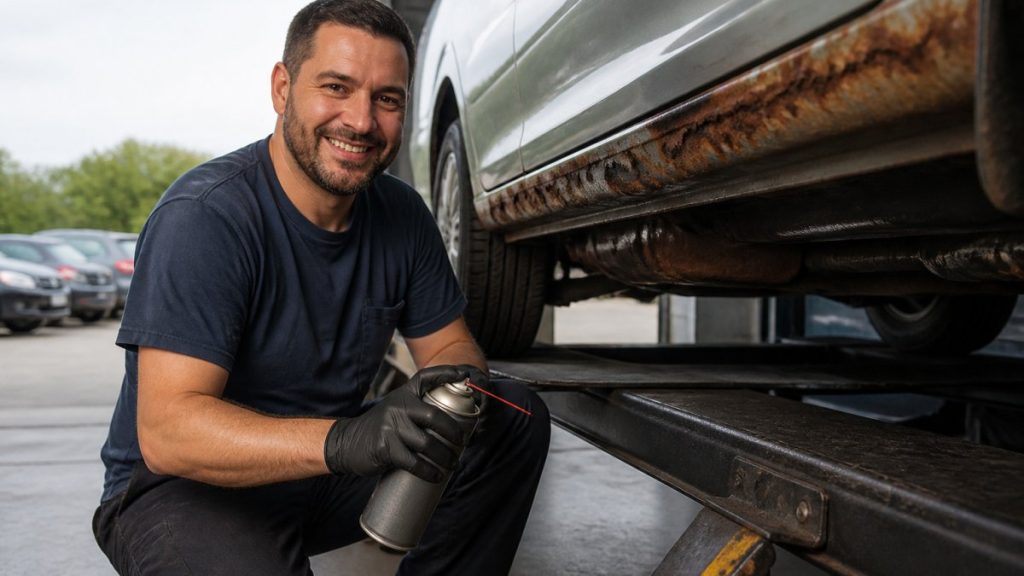
Last Updated: October 28, 2026
Quick Summary
Rust prevention on vehicle panels starts with stopping moisture and salt from sitting on bare metal, since rust needs water and oxygen to grow. Wash lower panels, wheel wells, and undercarriage every two weeks, dry every seam and drain hole, and touch up bare paint chips the same week.
Rust prevention on vehicle panels starts with stopping moisture and salt from sitting on bare metal. Rust needs water and oxygen to grow, remove either and the spread slows fast.
Wash lower panels, wheel wells, and undercarriage every two weeks, dry every seam and drain hole, touch up bare paint chips the same week, apply wax or sealant before the rainy season, and rinse road salt and beach spray before it dries. Skipping the dry step traps water in door seams. Our guide on repairing paint chips before they turn into rust explains why early touch-ups matter.
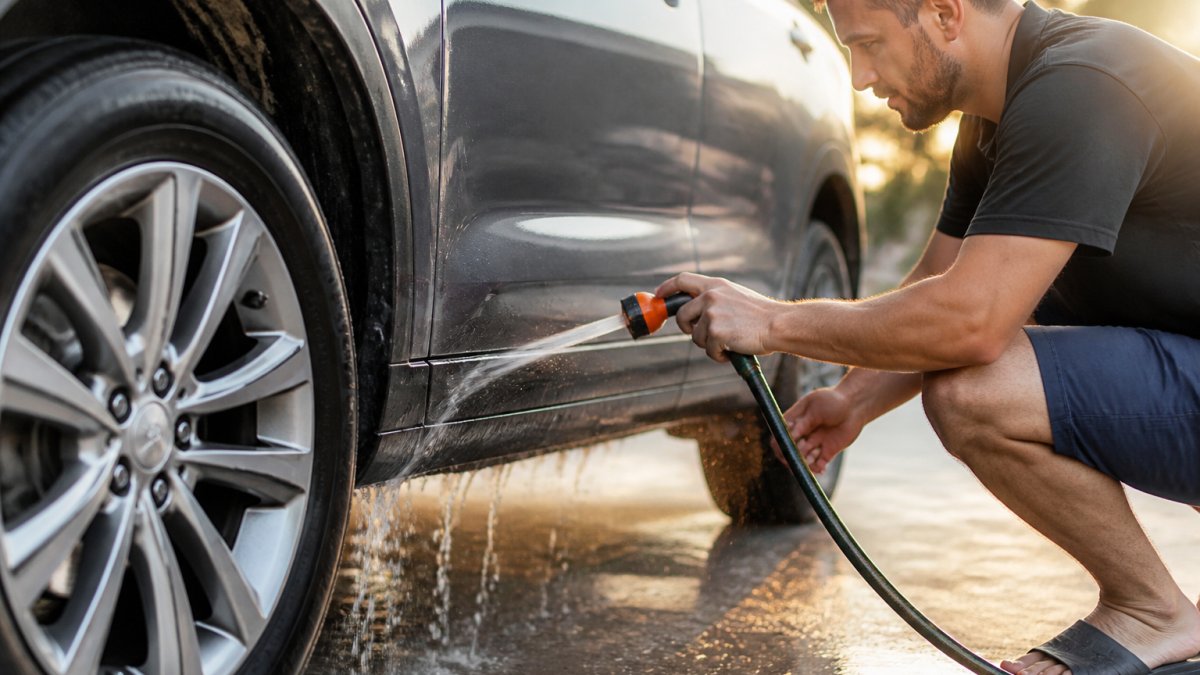
Protecting car paint from rust comes down to keeping the clear coat intact and the surface clean. Once it fails, moisture reaches bare steel. Researchers have explored digital imaging to measure vehicle corrosion in real time, showing how closely inspectors track early surface rust.
Wax twice a year (more near the coast), rinse the underbody after every beach trip, park under cover, fix scratches before they bloom, and keep drain holes clear. Readers can also book professional detailing and paint touch-ups to protect panels from rust. Humidity is the quiet culprit, and our team explains how Florida’s humidity affects your car’s paint.
How you treat rusted body panels depends on how deep the damage goes:
| Stage | What You See | What to Do |
|---|---|---|
| Surface rust | Orange film on paint | Sand, treat, and repaint |
| Bubbling paint | Blisters under clear coat | Strip, convert, and seal |
| Perforation | Holes in the metal | Cut out and weld new metal |
If damage runs deep, get a free auto body repair quote in 4 steps. Our guide to preventing rust after body work covers follow-up care.
Keep body panels clean and dry, then seal them. Wash off road salt and dirt regularly, dry seams and drain holes so moisture cannot sit, and apply wax or a rust inhibitor to painted surfaces. Check wheel wells and underbody areas where muck collects. A digital-imaging method for in-field corrosion evaluation is still under development, so regular visual inspection remains the practical check. Fix any paint chip or scratch before surface rust starts.
You can slow it significantly if you act at the surface-rust stage. Sand the area back to clean metal, apply a rust converter or encapsulator, then seal it with primer and paint. Once rust bubbles the paint or perforates the panel, DIY treatment will not hold and the panel needs professional repair. For rust prevention, reapply protective coatings periodically and keep drain holes clear so water does not pool behind panels.
Bring the car in when you see bubbling paint, flaking, or a hole through the metal. Bubbling means corrosion is working under the clear coat, and sanding the visible spot will not reach it. Surface rust on a chip is a DIY job; perforation and seam rust are not. A body shop can cut out the damaged section, treat the bare metal, and repaint so the repair matches the factory finish.
Rust never sleeps, and South Florida’s salt air gives it a head start. If a panel is already bubbling or holed, DIY work will not hold. Victory Auto & Body Shop brings 40 years of experience, an advanced paint system for identical color matching, and full service for domestic and foreign vehicles. Get started with Victory Auto & Body Shop and protect your panels before rust wins.


